
Making Wills and Trusts During COVID-19
The COVID-19 crisis is prompting a spike in estate planning, but requires a new approach to the actual signing of important documents.

The COVID-19 crisis is prompting a spike in estate planning, but requires a new approach to the actual signing of important documents.

With COVID-19 impacting more and more Americans, individuals across the country are scrambling to set up wills and end-of-life directives.
To paraphrase Mark Twain: reports of the death of state estate taxes are greatly exaggerated. In fact, there are recent signs that states are starting to beef up their estate tax laws, instead of tearing them down. This, of course, is bad news for wealthier Americans, who had hoped that state lawmakers would continue burying these taxes.

With all the media buzz about guardians stealing money from those whom they are meant to protect and overall financial abuse issues involving seniors, it’s a good moment to revisit how surrogate decision-making works.
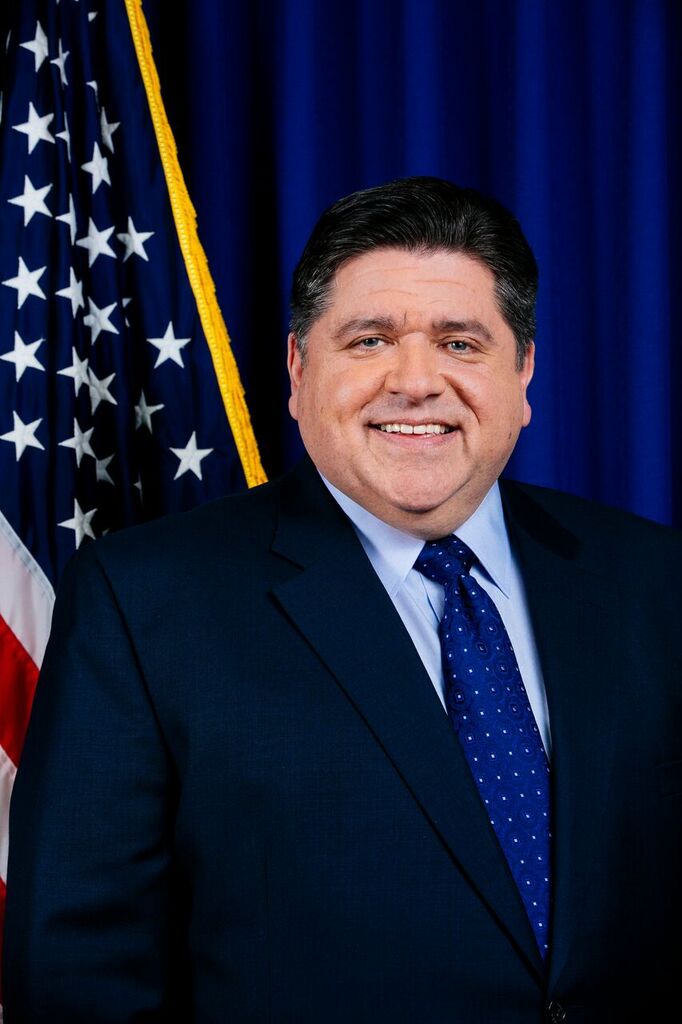
Late on Thursday evening, Governor J.B. Pritzker signed his 14th COVID-19-related Executive Order, making it much easier for individuals to execute estate planning and healthcare

Even if your asset base doesn’t measure up to the Bill Gates standard, you may consider using trusts in estate planning. This is because they can help your heirs in many different ways.
Estate planning attorneys will agree, it’s better to die with a properly drafted will than to die without one. If you don’t have one, consider getting one.

We have money in savings and retirement accounts, but our most valuable asset is our home. We want to leave our property to our two children equally.

My daughter is getting married soon. What can I do to protect her inheritance after my death?

If you think Estate Planning is simply the creation of a will or trust, you are missing a large portion of information, and could potentially have assets that do not flow according to the plan you have set up in your will or trust.